
National San Dialogue Botswana 3-5 March 2026
- Jim Suzman
- 6 days ago
- 2 min read
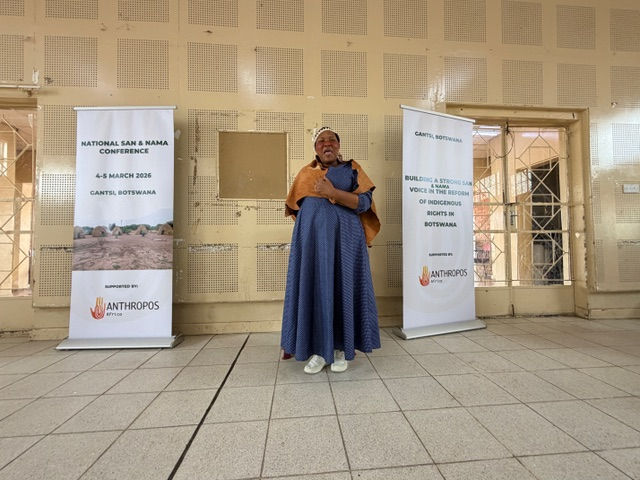
Onkemetse 'Bhibo' Maruping-Kgari
With support from Anthropos Africa, more than fifty San leaders and community representatives from across Botswana gathered in Ghanzi for the National San Dialogue on Indigenous Rights Reform. It was convened by the Botswana Khwedam Council and organised by Bhibo Maruping, founder of the Ghanzi's Family Support Group
Over two days of closed deliberations, leaders discussed how San communities wish to engage with government during the country’s ongoing Indigenous rights reform process, agreed on shared priorities, and outlined the representative structures needed to support this engagement.
In a historic public session, on the final day of the gathering, San leaders presented the Dqae Qare Declaration to senior government officials from several ministries, reaffirming the principle that reforms affecting San communities must be developed in partnership with them. During the meeting, delegates also agreed to establish a task team drawn from San leadership to work directly with government on priority initiatives, including the development of the new Khoena Programme, which is intended to replace the Remote Area Development Programme (RADP).
Minister of Justice, Nelson Ramaotwana who was unable to attend the event due to cabinet commitments prepared a video message to delegates in which he outlined his governments determination to redress past wrongs suffered by indigenous communities in Botswana and announced that the Botswana Government had formally notified the ILO of its intentions to ratify ILO Convention 169.
Delegates further agreed to restructure and expand the Botswana Khwedam Council into a more inclusive, nationally representative body capable of engaging government and partners on behalf of San communities across the country. Anthropos has committed to supporting this process and will work with the Council in the coming months to help strengthen its governance structures and institutional capacity as the reform process moves forward.


Comments